
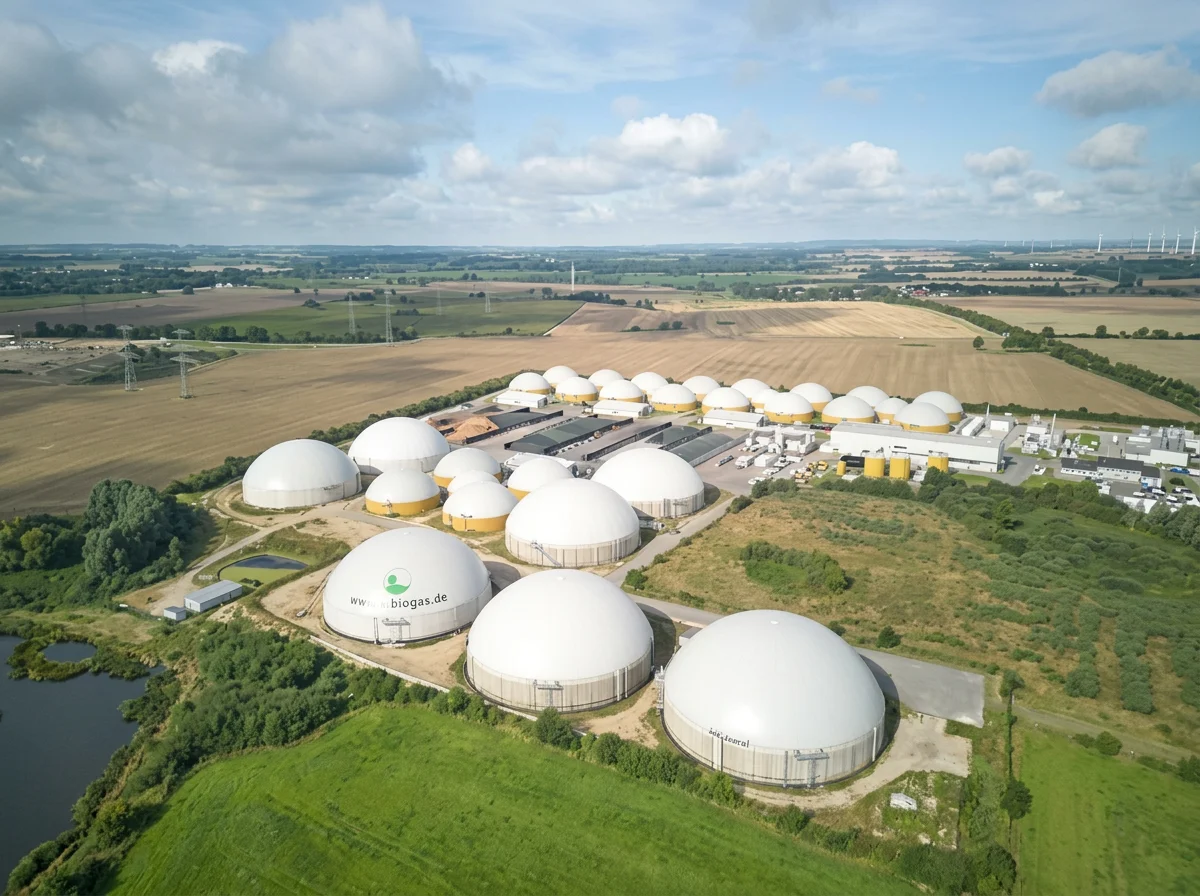
Measured impact, plant by plant
Anessa models the biology inside the digester and connects it with your bottom line. That means every tonne of CO₂e avoided and every GJ of biomethane produced traces back to real plant data with real costs attached.
Impact you can check
Biogas creates a circular economy. The hard part is proving the benefits for a single plant, month after month, to the people who fund it, certify it and regulate it.
Anessa’s digital twins track what’s happening in the digester and turn it into numbers you can stand behind, from carbon intensity to the revenue it generates.

Our Impact
What we’ve helped the industry achieve
2,455,384 tonnes CO₂e reduced
9,287,863 tonnes of feedstock diverted
97,902,093 GJ of biomethane produced
What this means
That’s the same as taking 572,731 gasoline cars off the road for a year.
That’s the same as the CO₂ from burning 5,684,731 barrels of oil.
That’s the same as the emissions avoided by recycling 867,626 tons of waste
instead of sending it to landfill
Awards
These awards recognize what our team has built and the impact it’s had on the biogas industry both in Canada and internationally.

ONB Exporter of the Year 2025

Innovate NB, Emerging Innovator Awards 2024
ONB Innovative Exporter of the Year 2024

Innovate NB Innovate Product/Service Awards 2024

EY Entrepreneur Of The Year® 2024

Bioscience Achievement Award 2019
ONB Exporter of the Year 2025
Innovate NB, Emerging Innovator Awards 2024
ONB Innovative Exporter of the Year 2024
Innovate NB Innovate Product/Service Awards 2024
EY Entrepreneur Of The Year® 2024
Bioscience Achievement Award 2019
Where the impact comes from
How a digital twin moves the numbers
Simulation: Get the impact right before you build
A plant that’s oversized or fed the wrong mix never delivers the climate benefit on paper. Simulation tests feedstock, design and output scenarios before any capital is committed. On one project, it showed the original estimates were overstated by 53 million ft³ of biogas a year. That gap was caught before it became a stranded asset.


Optimization: Lower carbon intensity, more gas to sell
One North American plant came to us producing 180,000 GJ a year at a CI score of 0 gCO₂e/MJ. We optimized its feedstock supply, process design and gas use. The CI dropped to -50 and output climbed to 230,000 GJ a year. Same plant, smaller footprint, more revenue.
Monitoring: Problems caught early
A small leak or an unstable digester can quietly erase a plant’s climate benefit. Monitoring tracks performance around the clock, so problems surface 24-72 hours before typical sensors would catch it, giving operators up to a 3-day head start before problems impact audits.


Reporting: Data that holds up
Certifiers, lenders and regulators all want proof. Reporting turns plant data into clear, traceable figures you can hand over with confidence.

Explore What Biogas Means To You
Agricultural, industrial or municipal, the biology changes from plant to plant. Our models are built around that, which is why the impact holds up across sites.