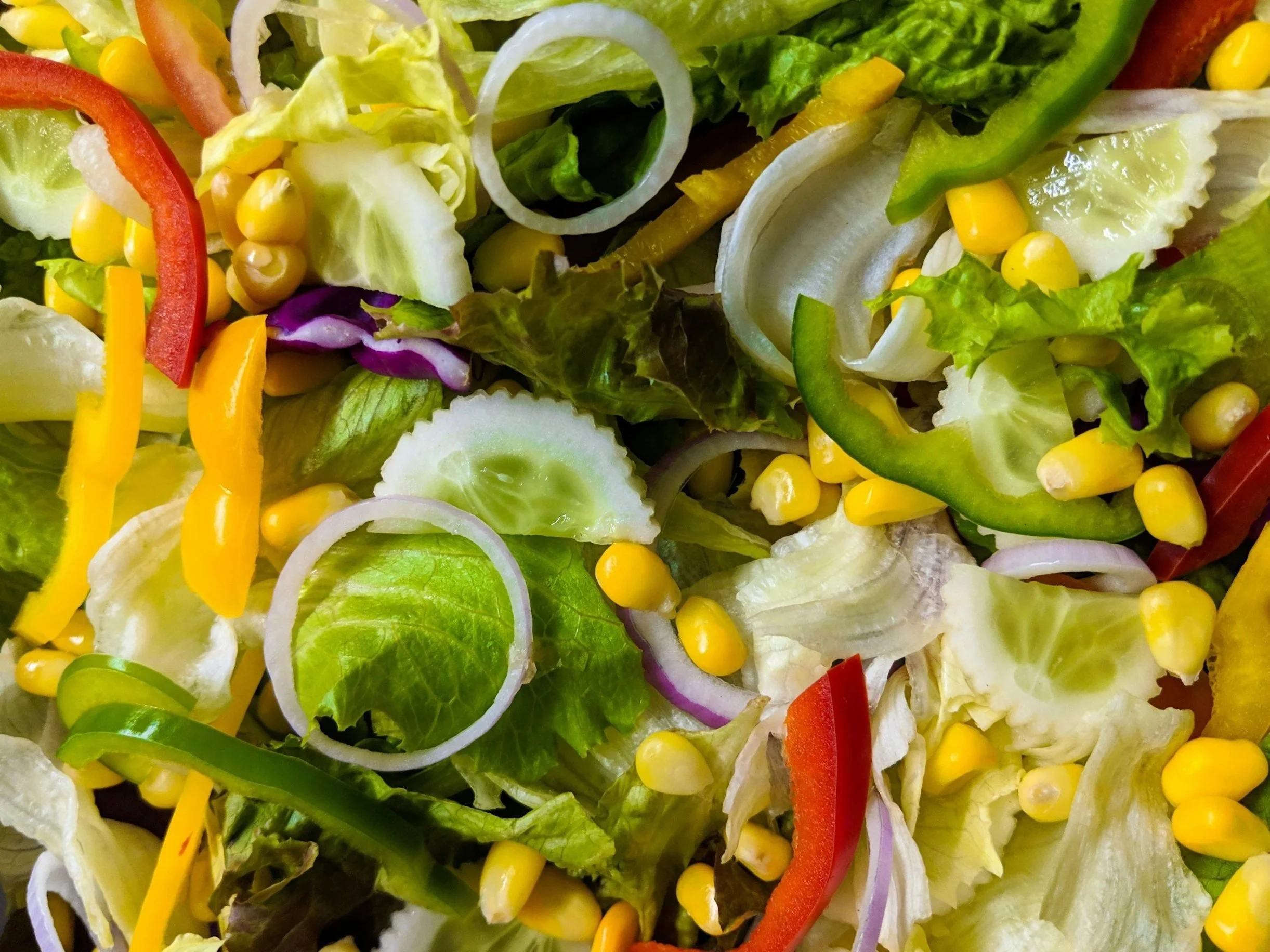
How does Biogas Aid the Food Industry?
Biogas for the food and beverage industry is a lucrative opportunity for byproduct management.
Restaurants丨Processing Plants丨Packaged Foods
Biogas production offers the food and beverage industry a practical way to convert unavoidable organic waste streams, FOG (fats, oils, & grease), food scraps, expired goods, manure and wastewater, into renewable energy, lower disposal costs, and new revenue streams (like vehicle fuel).
As rules and regulations governing waste become stricter and sustainability becomes a vital requirement, the food industry faces a critical challenge in managing food waste in an environmentally friendly and financially responsible manner.
The Biogas Impact
30-70%↓
Waste Disposal Cost Reduction
for a typical disposal of $50-150/tonne
0.08-0.12 tonnes
Recoverable CO₂ per tonne of waste
can be used in food-grade or industrial markets
5000 - 20000 MWh
Energy (Heat + Electricity) Recovery from a Medium processing facility
1 tonne of waste → 100-200 m³ biogas → 600-1,200 kWh
50-150 gCO₂e/MJ↓
Potential CI reduction depending on the system
helps achieve better CI scores and ESG impact
By offering transparency and accuracy in analysis, we’ll turn your tricky waste problems
into adaptable and measurable sustainability solutions.
Why Biogas?
Biogas enables food industry stakeholders to transform waste management from a cost center into a strategic asset.
By diverting readily available organic waste from landfills into anaerobic digesters, organizations can lower disposal costs, reduce methane emissions, and generate renewable energy in the form of heat, electricity, or Renewable Natural Gas (Biomethane).
This directly supports ESG goals by improving carbon intensity (CI) scores and enabling participation in carbon markets and regulatory programs.
Beyond sustainability, biogas systems introduce operational and financial resilience. Instead of relying on external waste disposal and volatile energy markets, organizations can internalize value from their own waste streams.
In practice, biogas is much more than just waste treatment. It is a data-driven approach to energy recovery, reduced greenhouse gas emissions, cost optimization, and compliance management.
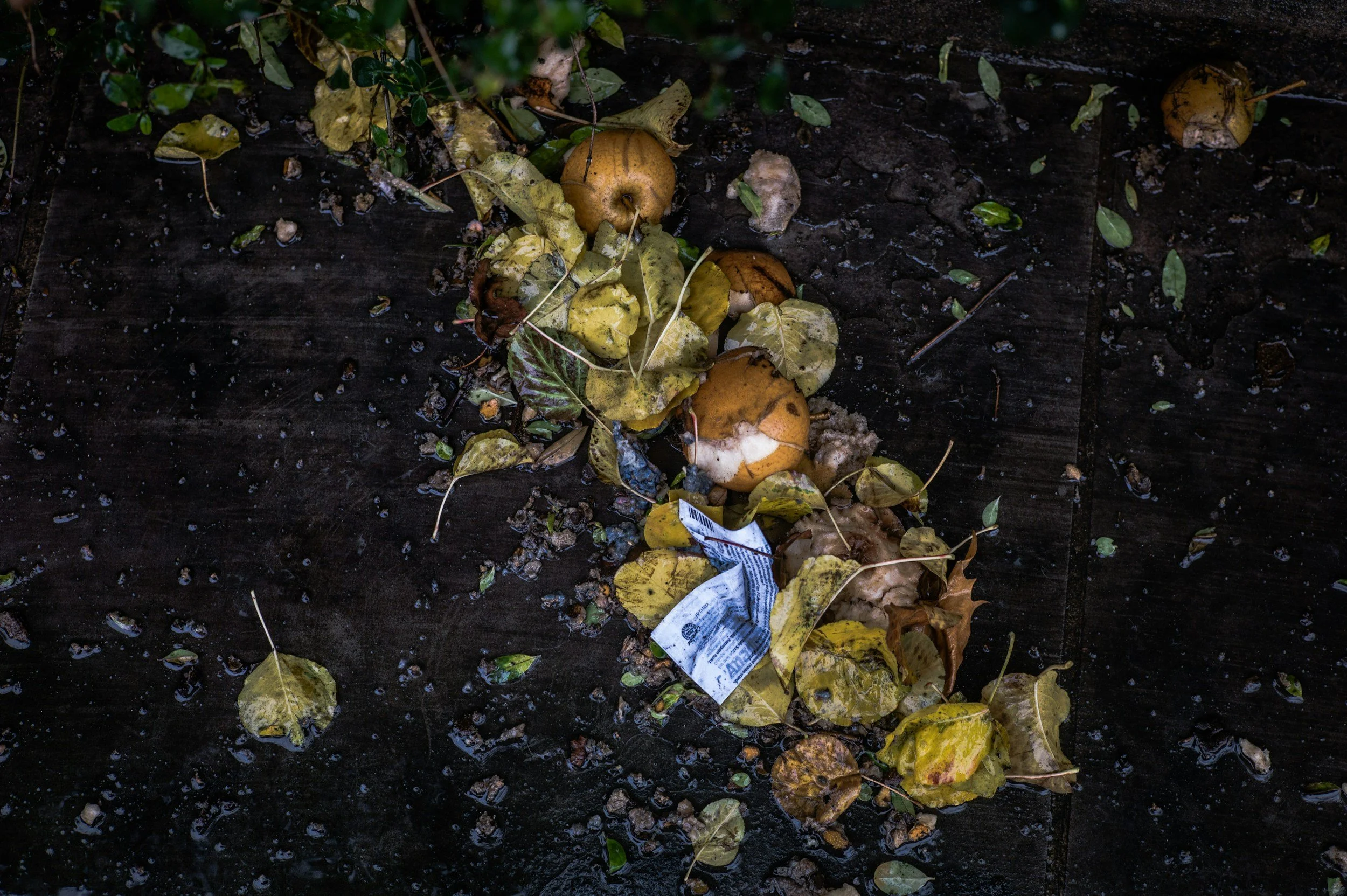
What Strategic Hurdles Should You Prioritize?
Food waste is highly heterogeneous, and different waste streams / organic materials vary in chemical composition, energy potential, and biological behaviour, making performance difficult to predict. Without proper analysis, projects often face unstable anaerobic digestion, overestimated methane yields, underestimated operating costs, and compliance risks.
Issues that may arise during the digestion process
How will different waste streams behave in digestion?
What is the real energy potential across seasons and facilities?
How should feedstocks be used and blended to maintain stability?
What is the true ROI once operational variability is considered?
As a result, many projects are still designed using static assumptions and generalized data, leading to inefficiencies, underperformance, or failed investments.
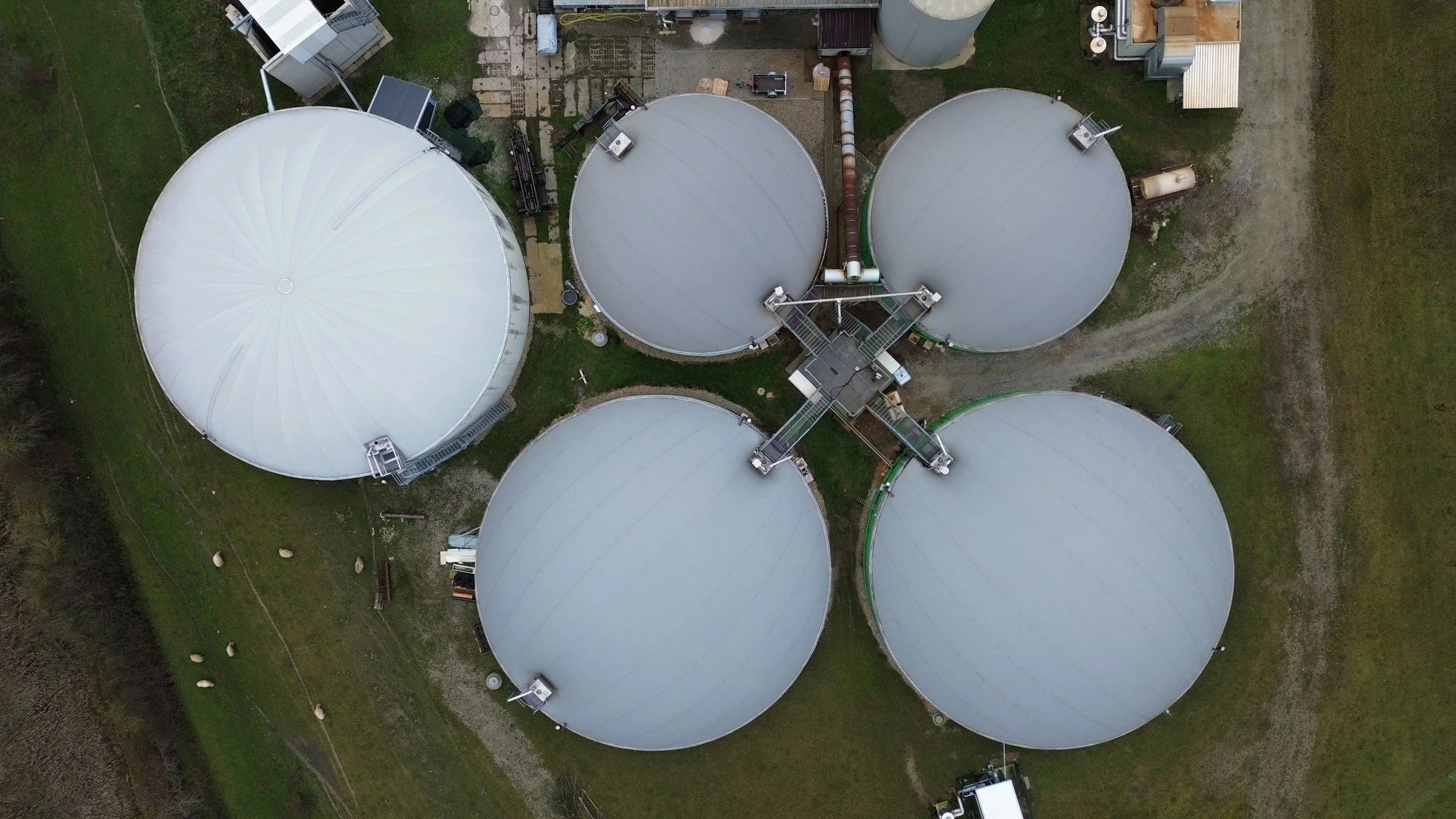
Data-driven tools are Critical for Success
For such a capital-intensive process with high risks and high rewards.
How Does Anessa Help?
This is where Anessa comes in. We equip food industry stakeholders with AI-powered modeling and digital twin technology to manage highly variable organic waste streams with precision and confidence.
As projects advance, we enable detailed process and system design, including gas production, energy integration (heat and electricity), and the potential for carbon dioxide (CO₂) recovery from upgrading systems. AI-driven optimization continuously adjusts feedstock blending strategies to stabilize digestion and maximize output, even as waste composition changes across facilities and seasons.
The resulting system consistently reduces waste costs, recovers energy, and delivers measurable ESG performance across operations.