
Is Biogas a Reliable Renewable Energy Source?
Biogas presents a significant opportunity for clean and renewable energy organizations
Clean Energy丨Renewable Energy丨Utility Organizations
Turning Organic Waste into Reliable, Low-Carbon Energy Supply
Biogas, especially when upgraded to Renewable Natural Gas (Biomethane), provides renewable energy organizations with a scalable way to convert organic waste into low-carbon energy while also creating new revenue streams.
The Biogas Impact

90%+ Uptime
Continuous baseload renewable energy, unlike solar or wind
250,000 GJ/year/plant
Scalable RNG production, reaching 25M GJ annually at 100 plants

150,000+ Homes
can be supplied with the energy output from a 100-plant network

Up to -300 gCO₂e/MJ
RNG CI Scores, leading to high-value credits
(LCFS, CFR, RED III)

100% Pipelines Compatible
Directly decarbonizing existing infrastructure with zero grid upgrades
Why Biogas matters as a Renewable Energy Solution?
Biogas plays a unique role in the clean energy transition by providing continuous renewable energy, unlike intermittent sources such as wind and solar.
By capturing methane from organic waste, anaerobic digestion directly reduces greenhouse gas emissions while producing a flexible energy carrier that can be used for electricity, heat, or upgraded into RNG for grid injection.
For renewable energy portfolios, biogas offers diversification and resilience. It strengthens energy security by reducing dependence on fossil fuels and imported energy while supporting circular economy principles through digestate reuse in agriculture.
How are Regulations Helping the Development of Biogas?
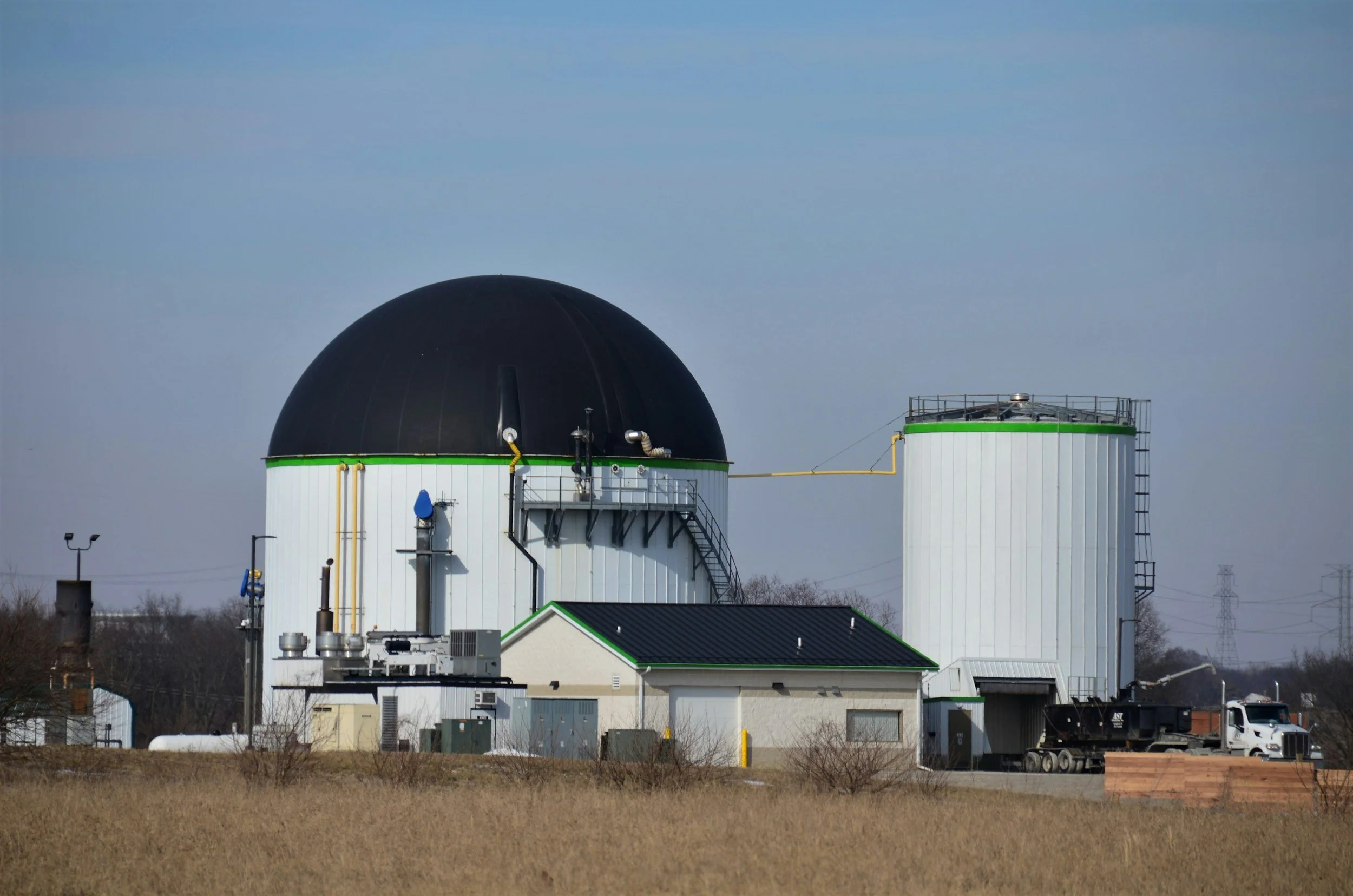
A growing set of regulatory mechanisms is now being put into place to encourage the development of the global biogas industry.
Policy frameworks such as Clean Fuel Regulations (CFR), Low Carbon Fuel Standards (LCFS), and renewable fuel credits create significant financial upside but only when projects can demonstrate accurate, verifiable performance and emissions reductions.
These act as a push towards sustainable energy production and reduce the adverse impacts of climate change.
In practice, biogas production is not just another renewable method but a data-driven energy asset that connects operations, compliance, and revenue.
These frameworks place great emphasis on consistent and verifiable reporting. Anessa Suite ensures these are met, making us an essential partner for long-term success in such programs.
What Challenges Surround Biogas?
Despite strong market drivers, many biogas and RNG projects underperform due to reliance on outdated assumptions. Variability in feedstock supply, gas composition, and process conditions can significantly impact methane yield, gas purity, and overall system efficiency. At the same time, compliance frameworks require precise lifecycle emissions accounting and consistent reporting.
Key questions get difficult to answer with confidence:
What is the real, sustainable RNG yield over time?
How will feedstock variability (like agricultural waste, food waste, etc) affect gas quality and upgrading performance?
How does operational performance translate into carbon credits and revenue?
What risks could impact compliance, uptime, and financial returns?
Without advanced tools, projects are often designed using static models that fail to reflect real-world variability, leading to lost revenue, regulatory risk, and reduced investor confidence.(like agricultural waste, food waste, etc)

How Does Anessa Help?
Anessa helps you with advanced modeling and digital twin technology to align biogas performance with revenue, compliance, and portfolio strategy.
As projects advance, Anessa supports bankable system design, including gas upgrading performance, pipeline injection requirements, and lifecycle emissions modeling.
AI-driven optimization ensures consistent gas quality and maximized methane recovery, even under changing feedstock and operational conditions.
Our live reporting feature and round-the-clock monitoring support this by adjusting to real-time feedstock changes.
The result is a portfolio of biogas assets that reliably produce high-quality RNG (Biomethane) while maximizing revenue and maintaining regulatory alignment.