

How Biogas Helps Accelerate Carbon Neutrality?
Turning Policy into Measurable Climate, Energy, and Economic Outcomes
Associations丨Governments 丨Regulators
Why Biogas?
Biogas is increasingly recognized as a strategic solution for achieving climate, energy, and waste management goals simultaneously. By converting organic waste into renewable natural energy, it supports decarbonization while strengthening energy resilience and enabling circular economies.
The Biogas Impact
2.5-7.5 million tonnes CO₂e/year
Reduced by 100 biogas plants, allowing for large-scale GHG reduction

1000-3000
Jobs created by 100 biogas plants (direct + indirect)

5–10% RNG blend
can significantly impact emissions targets, reducing overall grid Carbon Intensity (CI)

MRV Readiness
enabling effective CI tracking, verified emissions reduction and compliance with CFR, RED III, LCFS

Impactful Energy System
Biogas plants dispatch renewable energy, reducing peak demand pressure & utilize existing gas infrastructure

Multi-sector ROI
Biogas projects generate Energy + waste management + reduced emissions giving back to the public from multiple sources


Many projects fail because they rely on idealistic data that doesn't account for the messiness of real-world feedstock variability or seasonal logistics.
Outlook of Biogas
The Biogas Industry provides a unique opportunity to address multiple policy priorities at once. It reduces methane emissions from organic waste, supports renewable energy targets, and creates local economic development opportunities. Unlike intermittent renewables, it delivers stable, dispatchable electricity, improving grid reliability and energy security.
Over the past ten years, however, investments have averaged less than USD 4 billion annually. This amount is usually spent by the natural gas sector each week (IEA, 2026). Thus, the next step in policymaking will lead to an increased investment in biogas.
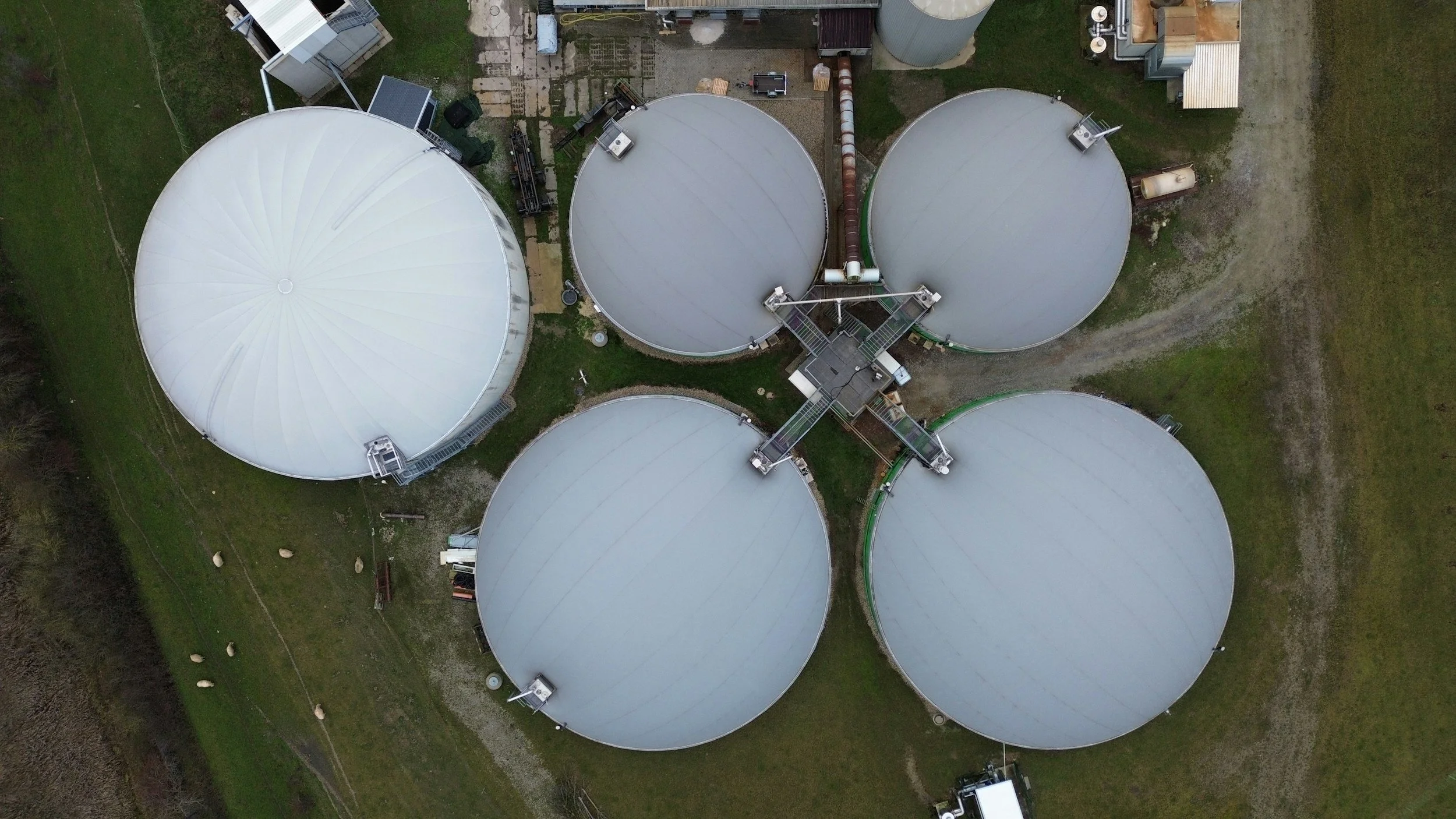
For a public stakeholder, biogas is important because it transforms the growing liability of organic food waste into a high-value energy asset that effectively converts the waste crisis into a renewable energy opportunity.
At the same time, policies such as Clean Fuel Regulations (CFR), Low Carbon Fuel Standards (LCFS), and renewable fuel incentives are creating strong financial drivers for current and potential biogas development.
However, the frameworks used depend on accurate lifecycle emissions accounting, transparent reporting, and consistent operational performance.
In practice, biogas systems are not just a policy resource; it is a data-driven infrastructure investment that captures harmful methane through anaerobic digestion (AD) and helps governments meet their net-zero goals.
It also reduces carbon footprint, lowers the impact of climate change, meets waste diversion laws, and promotes rural socio-economic development.
It helps build a circular economy where the neighbouring society benefits directly from cleaner air and more grid-backed local energy infrastructure.


The Challenge: From Policy Intent to Real Outcomes
Many biogas programs fall short because they rely on overly optimistic assumptions and insufficient data. Without robust evaluation tools, projects may overestimate energy production, underestimate costs, or fail to meet emissions targets, putting public funding and policy credibility at risk.

Key questions are difficult to answer with confidence:
Which projects will deliver the highest environmental benefits and economic impact?
How can greenhouse gas emissions reductions and CI scores be accurately verified?
How do operational realities affect long-term performance and compliance?
How can funding decisions be aligned with measurable results?
Too often, decisions are based on static feasibility assessments and fragmented data, leading to underperforming projects and missed policy objectives.
How Does Anessa Help?
Collaborating with Anessa allows governments and policymakers to bypass the frequent issues that typically slow down large-scale green energy transitions.
Anessa equips policymakers and regulators with AI-powered modeling and digital twin technology to ensure that biogas programs deliver measurable and verifiable outcomes.
As projects advance, Anessa enables detailed lifecycle analysis, including GHG emissions, carbon intensity (CI), and economic performance. This supports the development of policy-aligned projects that meet regulatory requirements and maximize environmental and economic returns.
The result is improved decision-making, optimized public investment, and scalable deployment of high-performing biogas infrastructure.
Beyond the technical metrics, this partnership drives authentic stakeholder engagement through collaborations that build a narrative of transparency and progress.


The ultimate goal is to have cleaner municipalities with reduced landfill pollution and a diverse portfolio of biogas plants that act as a gold standard for sustainable development.